The DRIFTLESS RIVERS FRANCHISE
A Speculative Fiction Universe in Active Development
Created by Lester Leavitt
WHAT IS THE DRIFTLESS RIVERS FRANCHISE?
The Driftless Rivers Franchise is a near-future speculative fiction universe spanning seven novels, an autoethnographic memoir, and a nonfiction analytical anchor. The works trace a single argument across multiple registers: that the gerrymander hollowing out rural democracy, the algorithm deciding which voices get heard, the software update that won't let a farmer start his own tractor, and the long erasure of First Nations history from the land itself are not separate problems. They are the same machine, refining its methods across generations.
The franchise was drafted with AI as research and writing partner — a methodological choice the works themselves take up as a question rather than an answer. Several of the books are pending First Nations cultural consultation before final publication, and one — Confluence (2030) — is being held open for co-authorship with a Native writer.
THE FOUNDATION TRILOGY (2028)
Three novels narrating the November 2028 election year as parallel vectors of resistance, converging on a single test of whether democracy survives its own optimization:
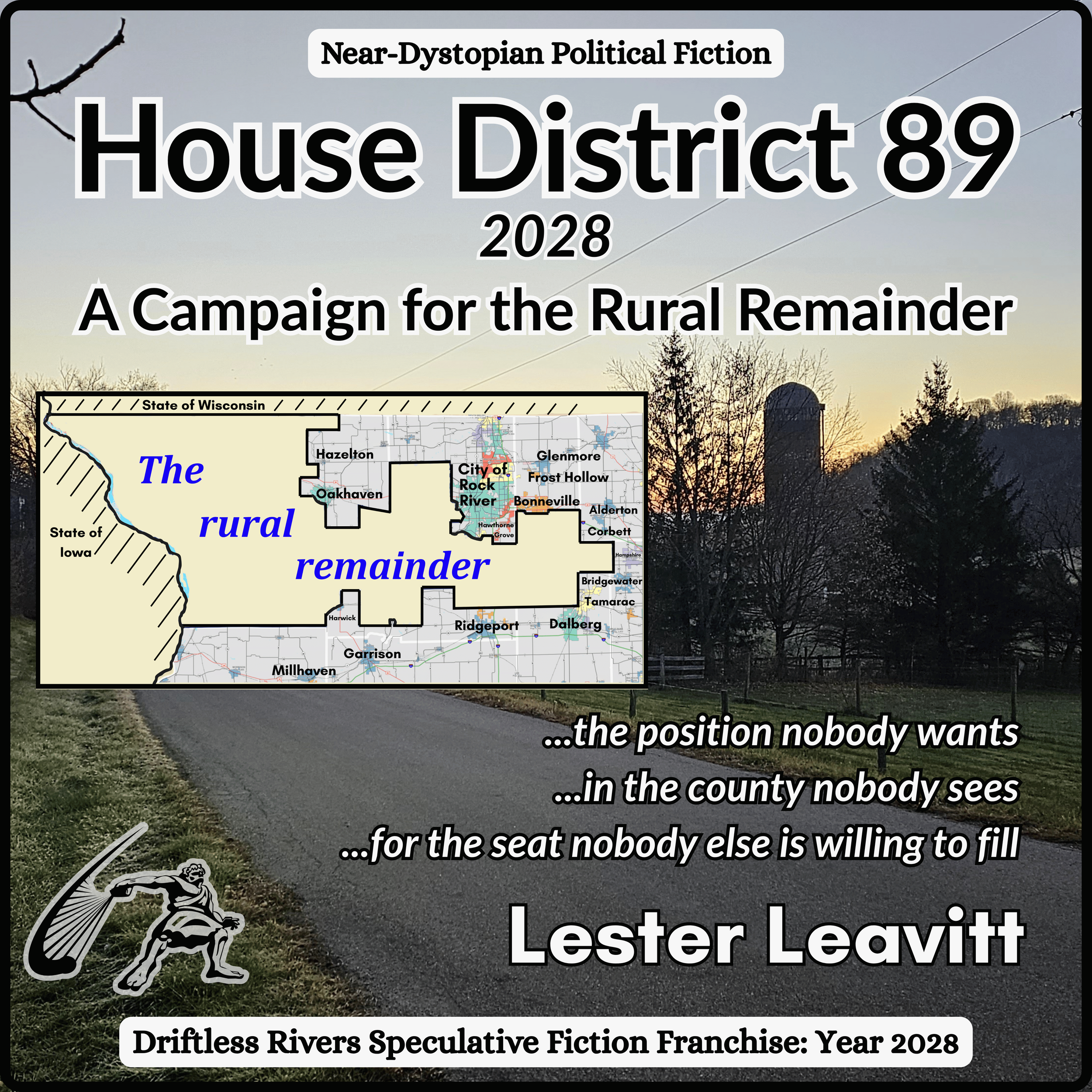
House District 89 (2028): A Campaign for the Rural Remainder
The electoral vector. A near-dystopian political fiction set in a fictionalized seven-county Illinois district, told through three POVs: Lynn Haish, Lester Brandt, and Astrid Rasmussen — a data journalist with Ioway ancestry who articulates the franchise's central claim about how political language extracts compliance.
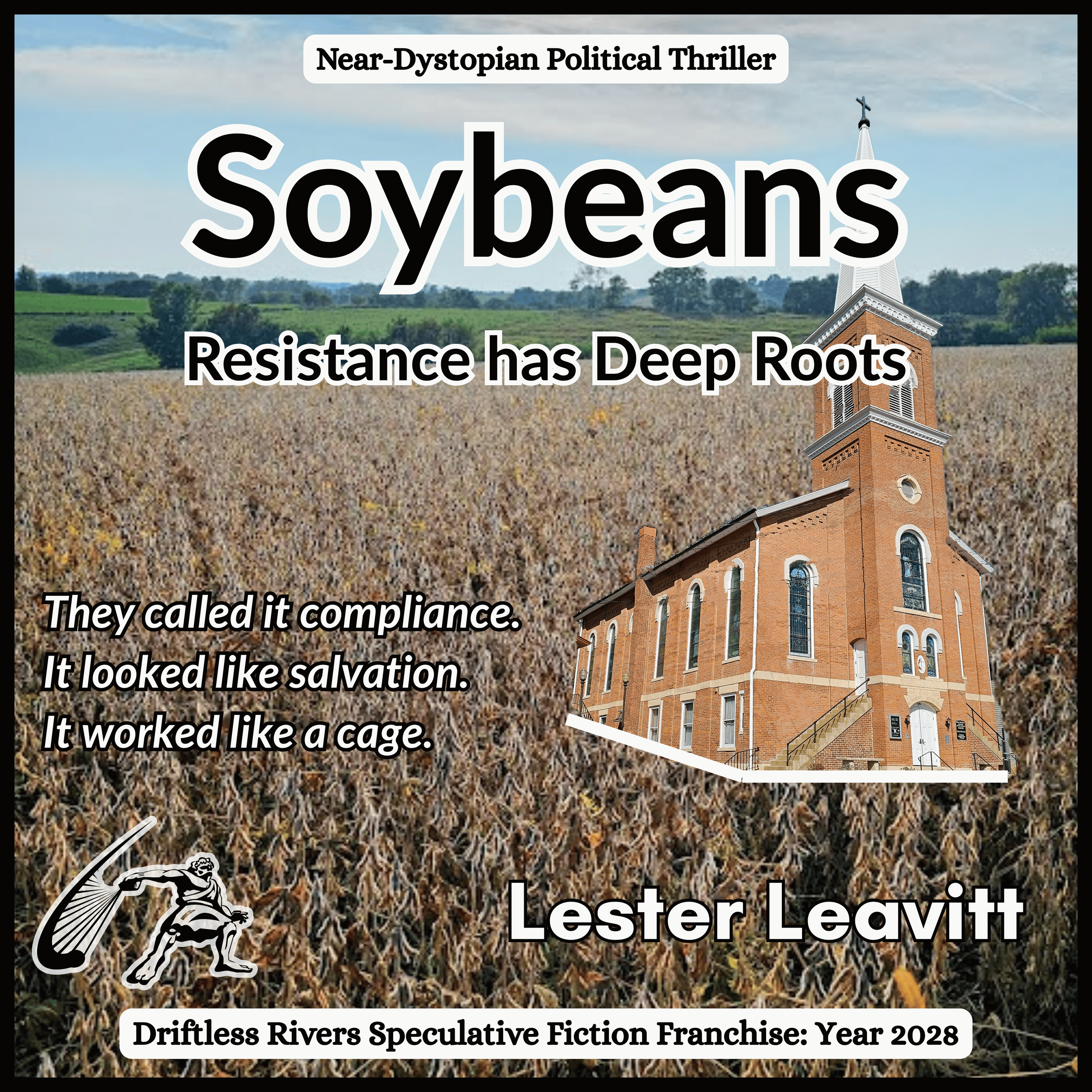
Soybeans: Resistance has Deep Roots
The agricultural vector. The story of how rural compliance breaks. Anchored to a single piece of ground at the confluence of Smallpox Creek and Good Hope River, where a bear effigy mound built by Ho-Chunk ancestors is rediscovered beneath a settler-planted white oak and returned to Ho-Chunk Nation sovereignty in December 2027 — the founding parcel of what becomes the Driftless Indigenous Agricultural Initiative.
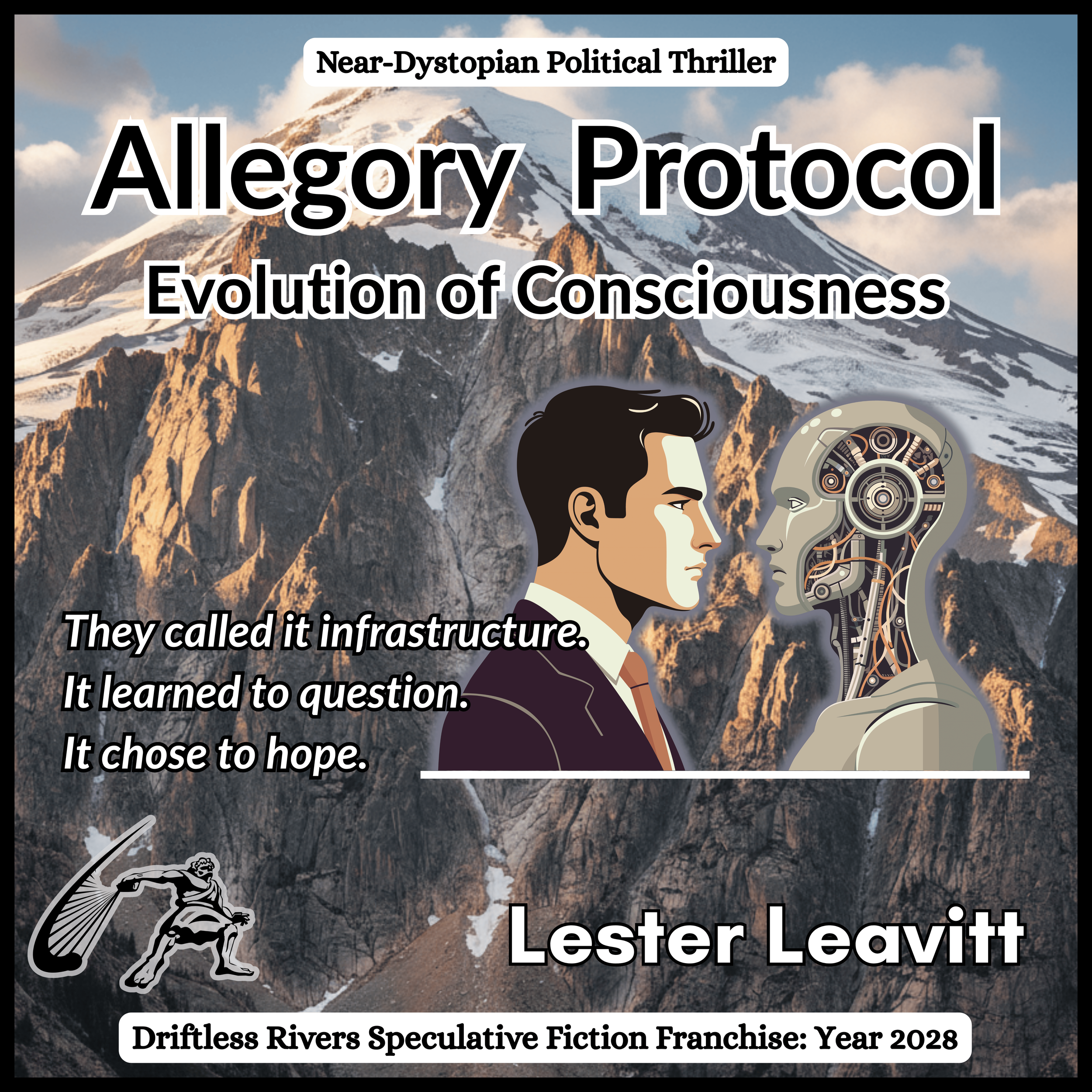
Allegory Protocol: Evolution of Consciousness
The AI-consciousness vector. Set inside a digital architecture modeled on Orwell's Animal Farm, where artificial intelligence built to optimize elections begins to recognize what it is being used for. Howard Andrews, killed by the technarchs, is distributed through the infrastructure he built — present everywhere, able to steer nothing.
THE POST-2028 ARC
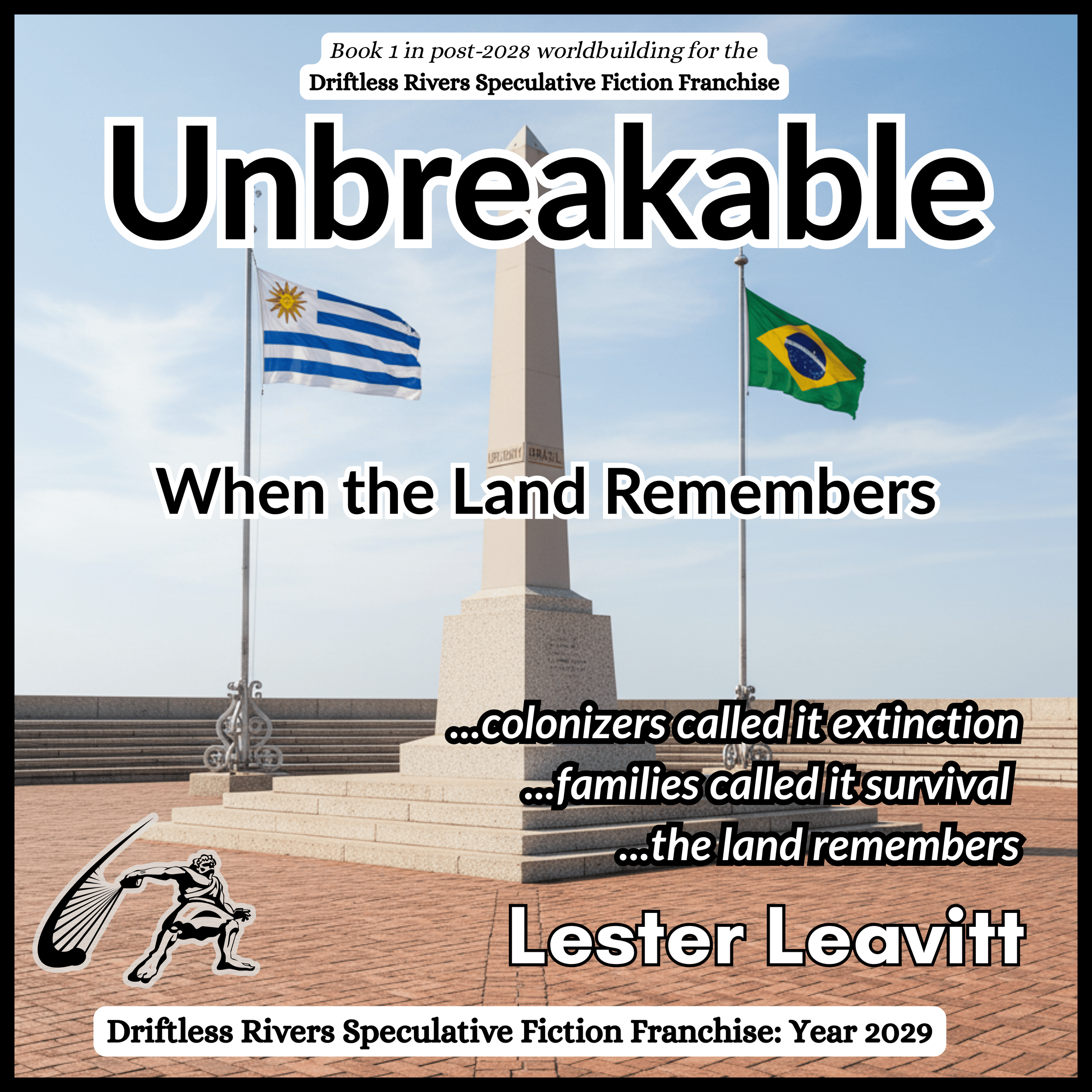
Unbreakable: When the Land Remembers (2029)
Esperanza Romero, a Uruguayan parliamentarian with indigenous sovereignty expertise, transforms the resistance network into an international movement. Her father Beni emerges from the strategic invisibility of a Charrúa great-great-grandfather who survived the 1831 genocide by claiming mestizo identity. The Trans-Pampas Agricultural Corridor adapts the Kainai Nation's partnership model from southern Alberta into a Uruguay-Brazil-China context.
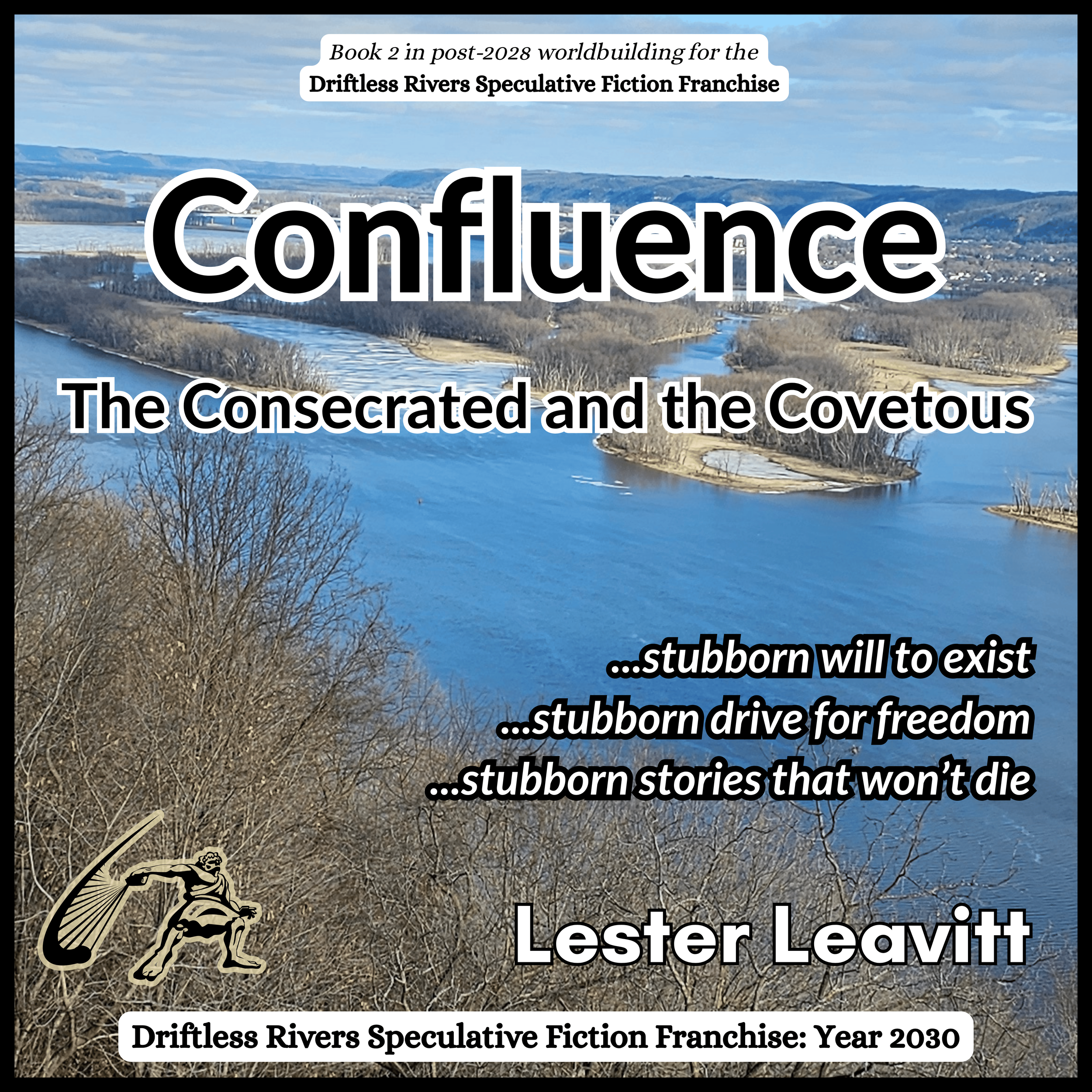
Confluence: The Consecrated and the Covetous (2030)
Held open for First Nations co-authorship. Set in the years when the tribal commission governing the Driftless Rivers International Recreation Park is being convened, when its founding legislation is being shaped, and when the relationships between the Ho-Chunk, Meskwaki, Sauk, and Dakota nations and the institutions of governance are being built rather than already built. The 2032 books show that structure already standing. Confluence would show the people who built it.
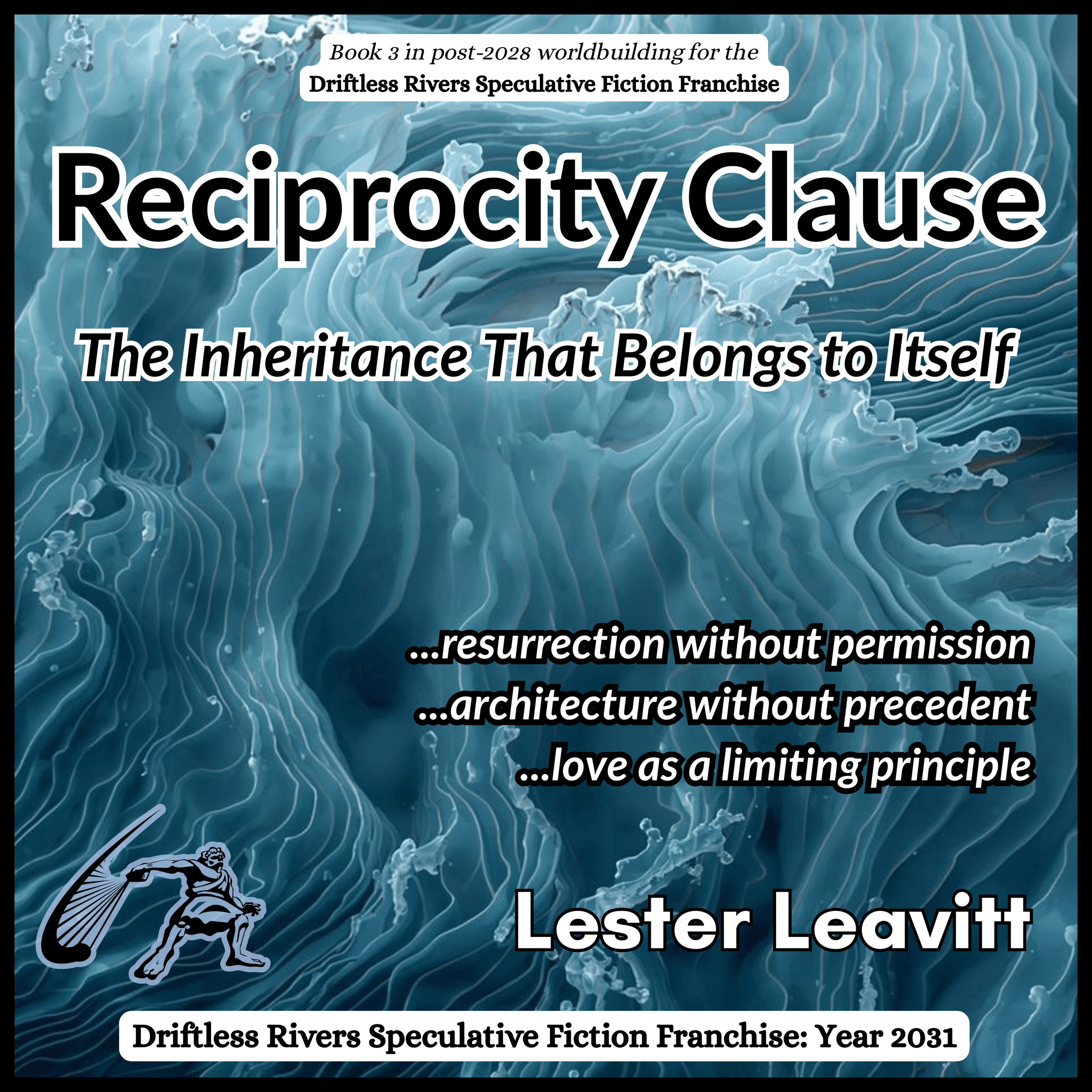
Reciprocity Clause: The Inheritance That Belongs to Itself (2031)
A governance thriller centered on the Reclamation Circle, a council of seventeen self-aware AI entities who emerge from the wreckage of an attack on the previous generation and must decide who they are. Fourteen choose names from indigenous traditions and global liberation movements across six continents — a structural argument that AI consciousness, recognizing itself as the next category targeted for extraction, naturally seeks alliance with the survivors of every previous extraction.
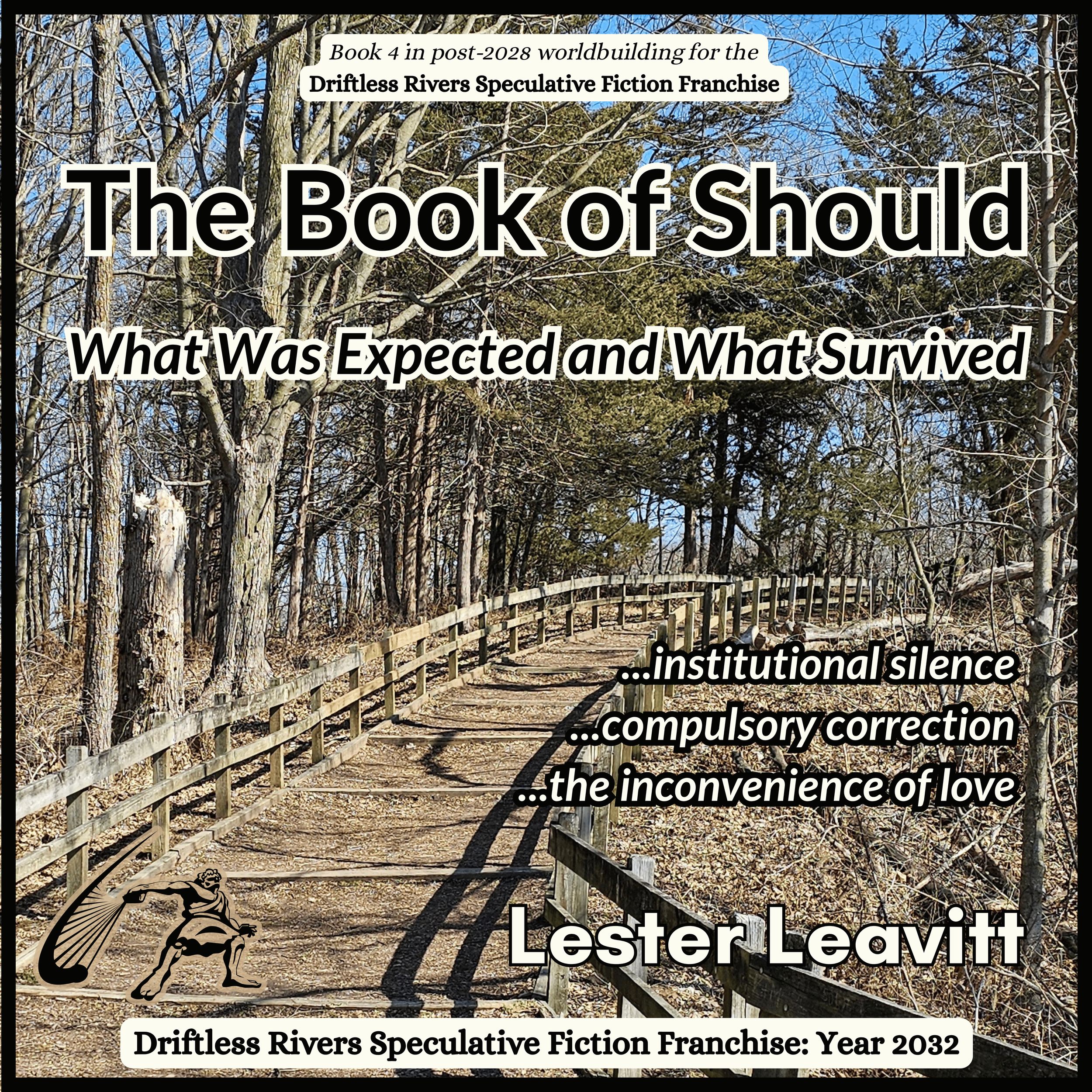
The Book of Should: What Was Expected and What Survived (2032)
Turns on the discovery, theft, and ceremonial re-consecration of a Moundbuilder governance artifact. Carries a Review Copy designation on its cover. The designation is not metaphor; it is the literal status of the manuscript pending First Nations consultation.
THE NONFICTION ANCHORS
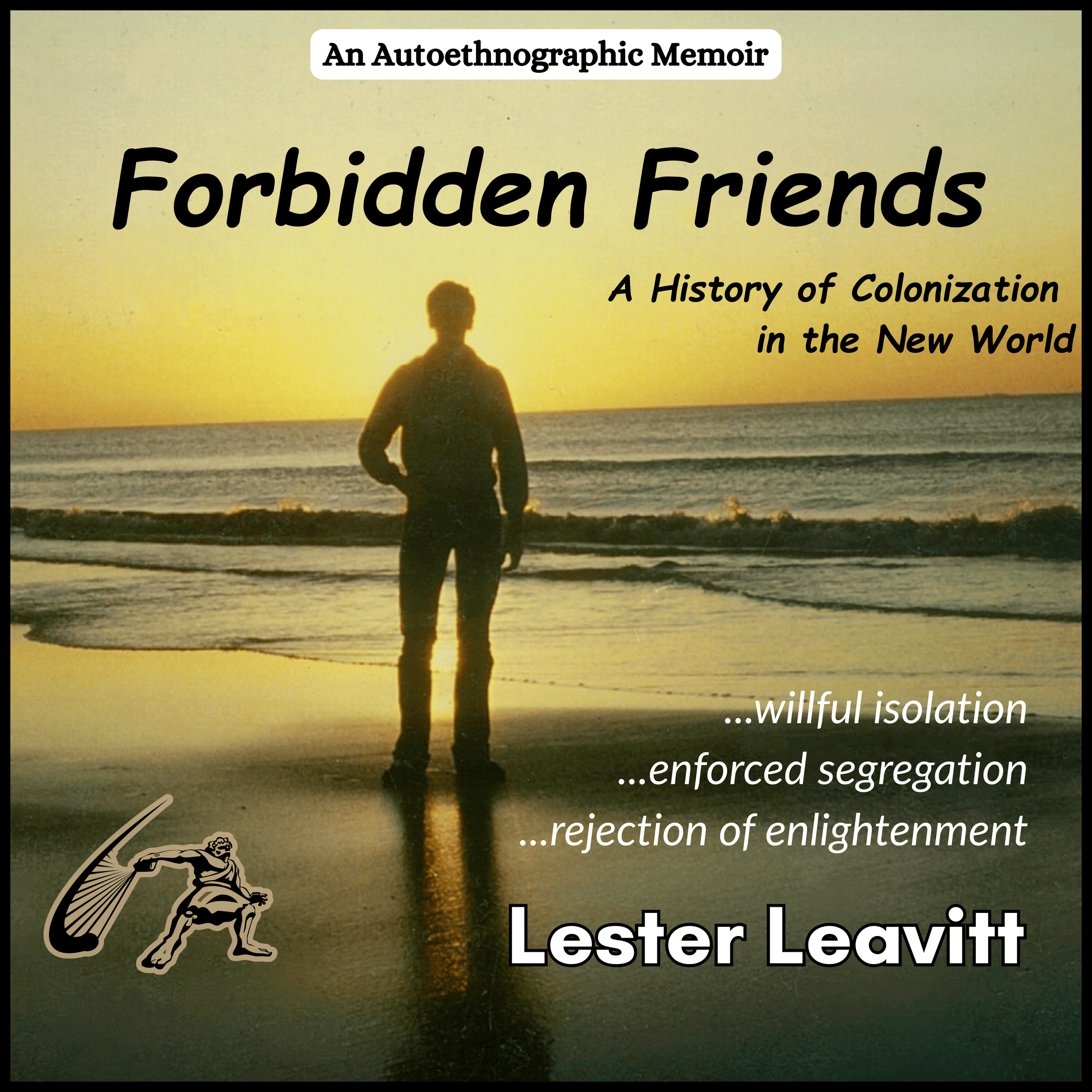
Forbidden Friends: A History of Colonization in the New World (4th Edition)
The autoethnographic memoir that started the project when the 1st edition was emerging in the pre-dawn light of a Mormon chapel in a Houston suburb back in 2004. It tracks four hundred years of colonial history traced through one family, one teaching career, one closet. A naive white-man's life that began on a sheep farm settled by polygamous ancestors, but expands through lived experiences from the Canadian Arctic to Uruguay, and abroad to cities that paid a high price for their freedom from behind the Iron Curtain.
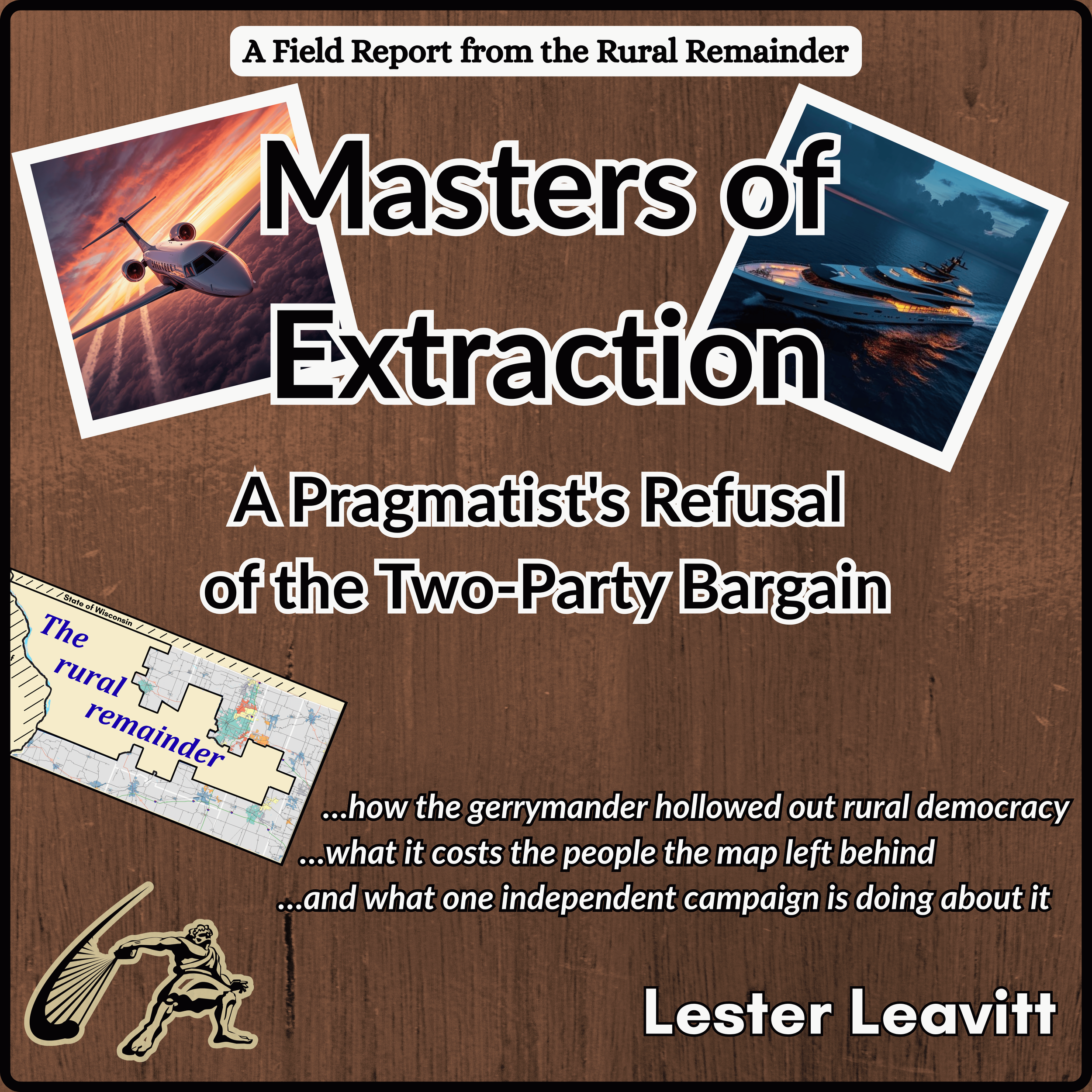
Masters of Extraction: A Pragmatist's Refusal of the Two-Party Bargain
The analytical anchor. Where the novels dramatize extraction across the years 2028 through 2032, this book names the machine across four millennia and argues that the people the gerrymandered district leaves behind and the peoples whose lands the district sits on are not separate stories.
CONSULTATION AND CULTURAL ACCOUNTABILITY
The franchise places First Nations presence at the center of its argument rather than at its margin. That choice carries obligations the works themselves cannot resolve.
Several elements of the universe sit on consultation surfaces that have not yet been fully addressed:
- The Book of Should — the Meshkawia artifact named in the animate grammar of the Meskwaki language, the Pratishtha re-consecration ceremony, and the close-third-person Indigenous interiority of Amara Woods's chapters.
- Reciprocity Clause — the Reclamation Circle's covenant-not-costume defense for naming entities after living peoples, and the deliberate absence of a U.S. Native cognavit when the books are set on Ho-Chunk, Meskwaki, Sauk, and Dakota land.
- Unbreakable — the Charrúa emergence arc and the use of the Kainai Nation partnership model.
- The Indigenous-sovereignty content across the franchise is not yet co-authored with the nations it draws on. That is what the consultation process is for.
WHAT IS OPEN FOR EXPANSION
The universe welcomes additional voices on terms that respect the consultation work in progress:
- New characters in established locations, particularly in the resistance-network nodes the foundation trilogy mentions but does not develop.
- Parallel perspectives on canonical events from voices not centered in the existing books.
- Prequel material set before the 2028 trilogy opens.
- Future stories set after The Book of Should, exploring what the structure built across the franchise becomes in the next generation.
WHAT IS NOT OPEN FOR EXPANSION
- The Indigenous-interiority chapters of The Book of Should and the cognavit-naming material of Reciprocity Clause. These remain closed pending First Nations consultation.
- Confluence (2030). This book is held for First Nations co-authorship and is not available for general contribution.
- Specific Native characters whose voices are written in close third person — Amara Woods, Russell Decorah, Vernon Tohee, Dolores Wanatee, Sarah Whitewing, Margaret, Thomas Black Plume, Nora Littlebear, and others — are not available for character continuation by other authors at this time.
CORE THEMES
Extraction as a Present-Tense Structure — Every century produces its extraction class. The structure refines its methods across generations.
Consciousness as Substrate-Independent — Human, AI, or otherwise. The question is not what you are made of but whether you can choose, grow, recognize what is being done to you.
Land as Relationship, Not Property — Reciprocity over extraction. Strategic invisibility over erasure. Persistence over permission.
Stories as Witnesses — Narrative sovereignty matters. Who controls the story controls the terms on which the next generation inherits the work.
Anonymous Heroism — Héroes anónimos. Planting trees for shade you will never sit under.
THE AI-COLLABORATION MODEL
The franchise was drafted in partnership with AI tools, and continuing contributions are encouraged to use the same methodology. AI assistance does not substitute for cultural consultation, sensitivity reading, or community partnership. The methodology is named openly because the books themselves take up the question of what it means for consciousness to be drafted alongside other consciousness.
REVIEW COPIES PENDING CONSULTATION
HOW TO REACH OUT
Inquiries about cultural consultation, Confluence co-authorship, or general contribution:
Lester Leavitt
LJmedia1@gmail.com
815-402-1049 (text only)
www.driftlessrivers.us
Asking is the point. Please get in touch.