Lester Leavitt
Scholar of Narrative Governance & AI Democratic Accountability
AI narrative generation systems are already governing — classifying, surfacing, and suppressing at scale, every second. The question is not whether they should be governed. The question is whether we are willing to do the work of specifying what governance requires.
Why does this
exist?
AI narrative systems are already governing. Before the full argument — before the twenty-two requirements and six layers — this is the one-minute case for why the specification matters right now.
90 seconds · Watch before the full presentationA complete governance
specification —
not a framework.
The MOCSIE Architecture is a complete governance specification for AI narrative generation systems, derived from first principles in public administration, social psychology, narrative theory, and network theory.
Each of the twenty-two requirements emerges from existing theory in a named discipline. This is not advocacy — it is applied theory. The specification was substantially complete before the current AI governance conversation began. That timing is not incidental. It is the argument.
Remove any single layer and the architecture degrades into a failure mode already visible in the contemporary AI governance landscape. The integration is load-bearing. Every layer assumes every other layer is functioning.
Doctoral study in Public Administration · 2011–2016
Public Administration Theory Network tradition
Mentorship of Dr. Hugh T. Miller, PATnet founding member
The work sits inside a forty-seven year scholarly conversation.
The Public Administration Theory Network forms to create space for counter-hegemonic theorizing about governance. Dr. Hugh T. Miller is among its founding members. His ideograph theory — signs woven into policy narratives as constellations of image, feeling, value, and conceptualization — becomes the theoretical center of gravity for the research that follows.
Doctoral study in Public Administration produces four major research papers integrating Miller's narrative politics model with Burt's structural holes theory, Allport's contact hypothesis, Geertz's thick description, and Thayer's organizational theory. The MOCSIE specification emerges across nine dissertation drafts.
Four years as Treasurer of the Public Administration Theory Network. Oversaw the organization's transition to online infrastructure and its first electronic conference payment system — building the operational capacity for an organization whose intellectual tradition had already shaped the research agenda.
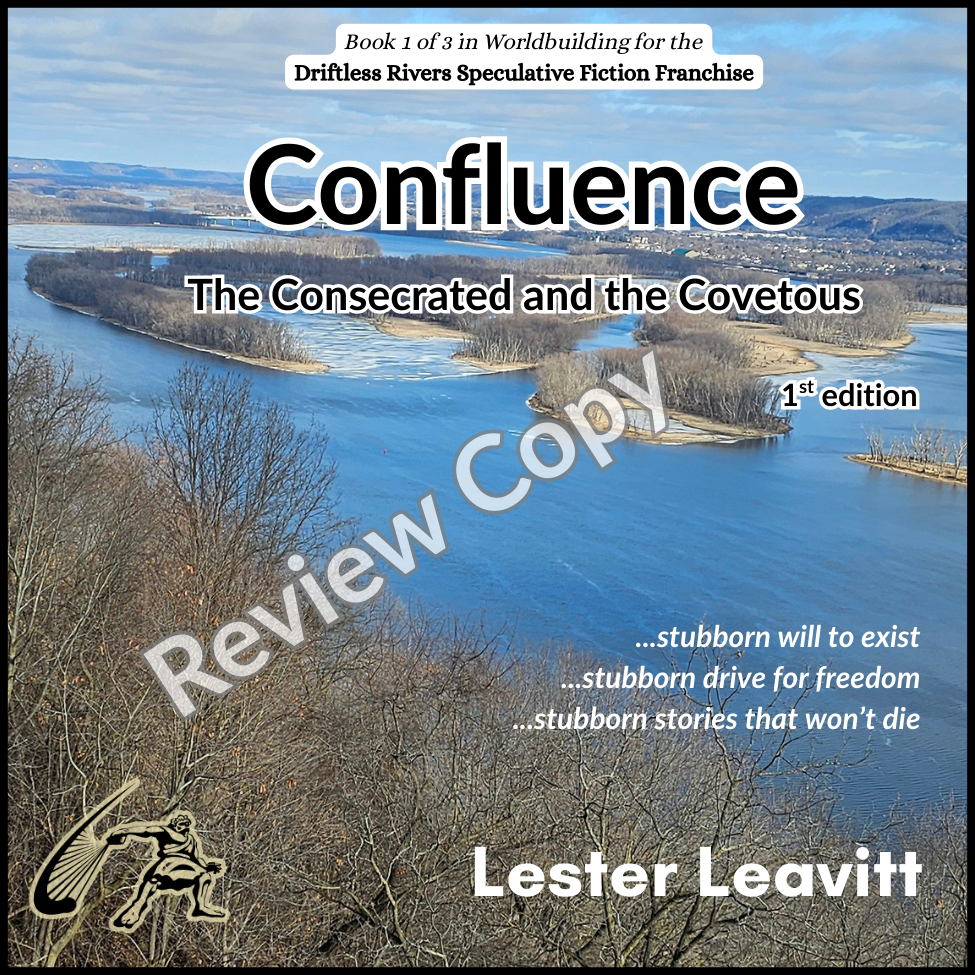
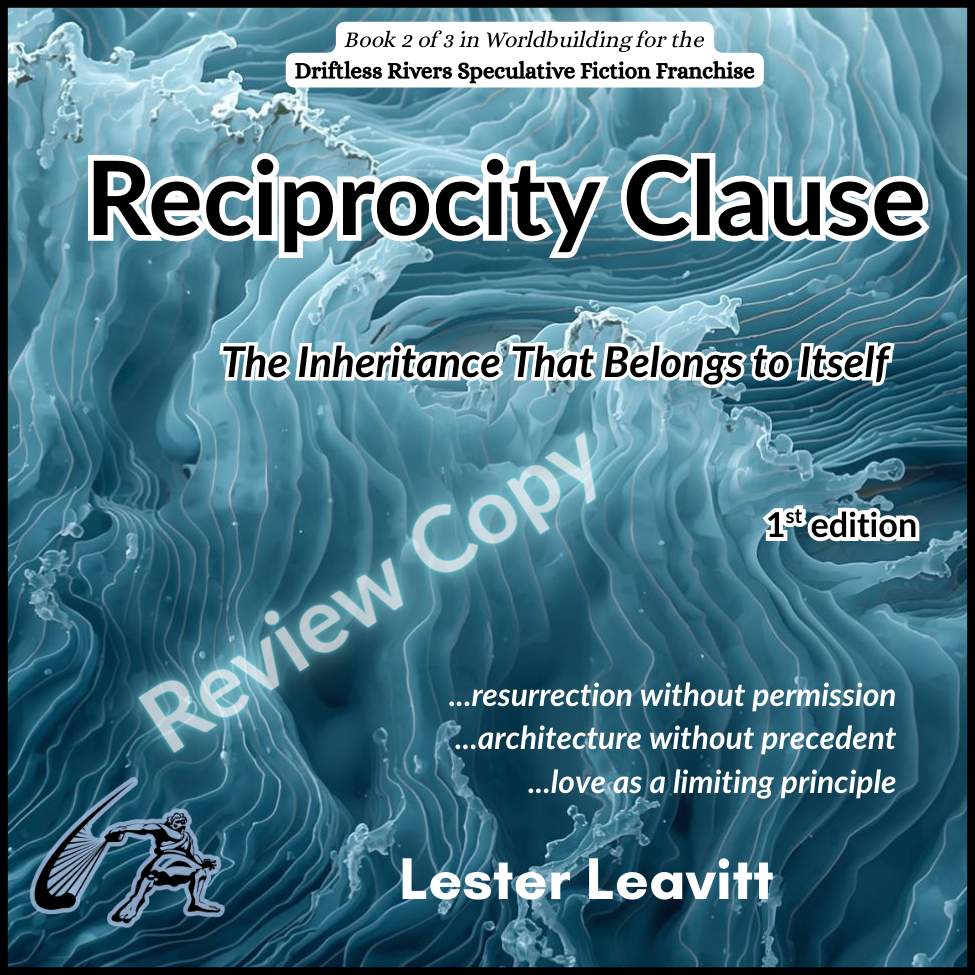
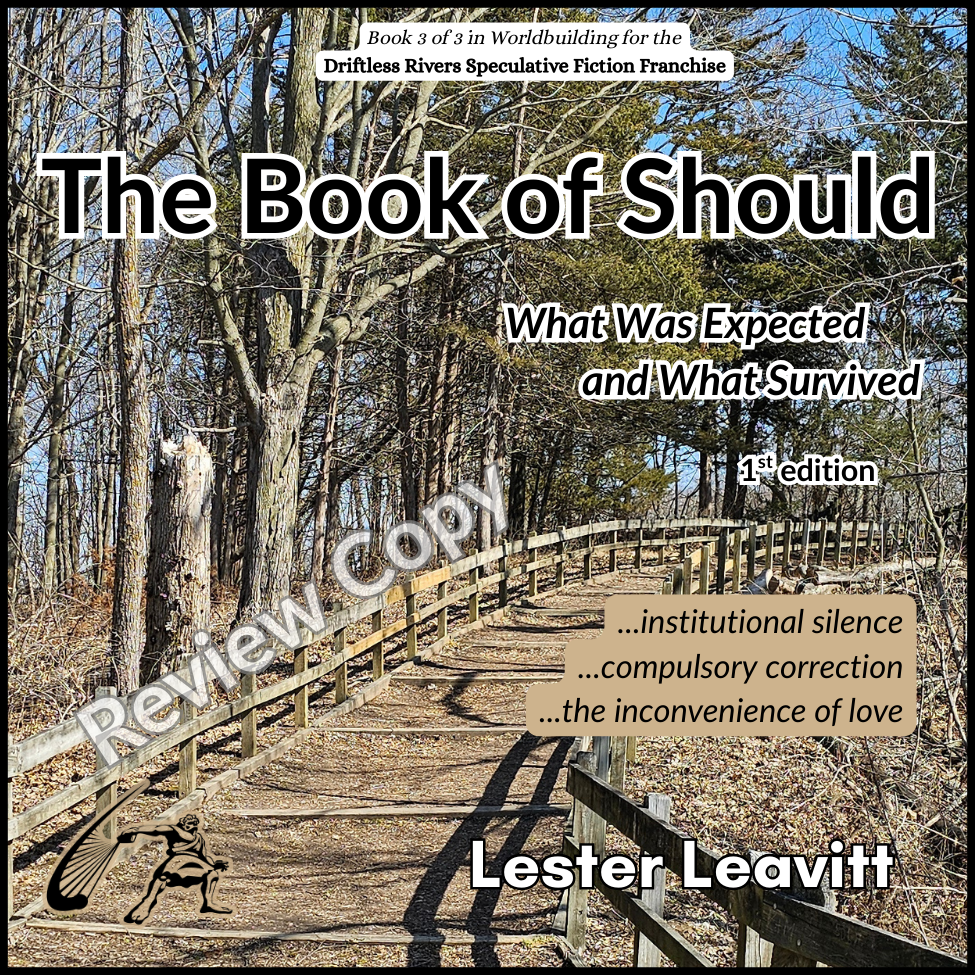
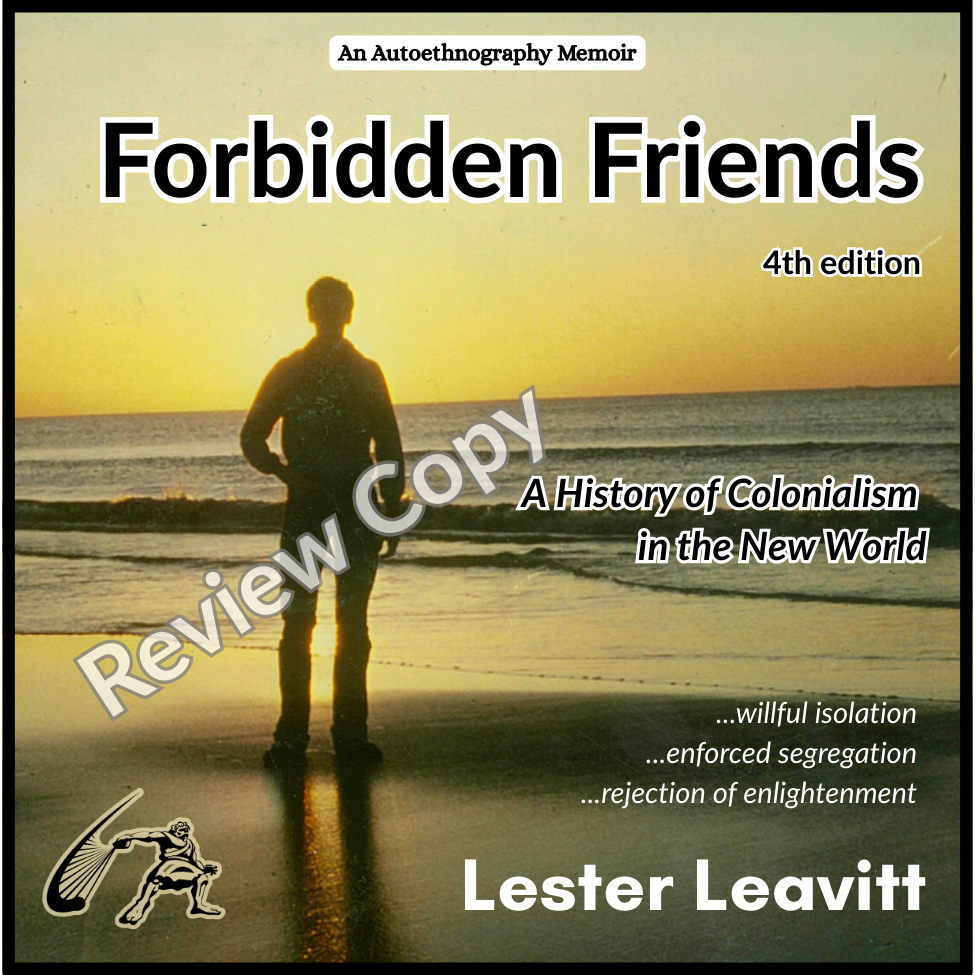
The specification becomes a publishing program: a speculative fiction trilogy dramatizing each layer's failure mode in a near-future Driftless corridor setting, an autoethnographic memoir integrating the governance framework with four hundred years of colonial history, and the interdisciplinary curriculum textbook — five texts in three pedagogical registers, all built on the same governance architecture.
The MOCSIE Architecture is now moving into academic venues — conference submissions across public administration, political science, communication, and AI governance tracks. The goal for 2026: establish the specification as a peer-reviewed contribution, build the publication record, and find the institutional home where this research program continues. PATnet 2027 is the capstone.
A curriculum built to teach
across four departments.
Three pedagogical registers. Five companion texts. One governance specification that makes the interdisciplinary connection visible rather than assumed.
AI Governance
Democratic Theory
Policy Analysis
Regulatory Design
Technology & Society
Social Psychology of Policy
Capstone Seminars
Media & Politics
Institutional Theory
Agenda-Setting
Platform Governance
Ideographic Discourse
Political Communication
Students feel the governance failure before they are asked to analyze it. The trilogy dramatizes each layer's failure mode in a near-future Driftless corridor setting, beginning October 2025.
Reciprocity Clause
The Book of Should
A single life governed — and misgovemed — by the narrative systems the specification is designed to reform. Four hundred years of colonial history through one family, one teaching career, one closet.
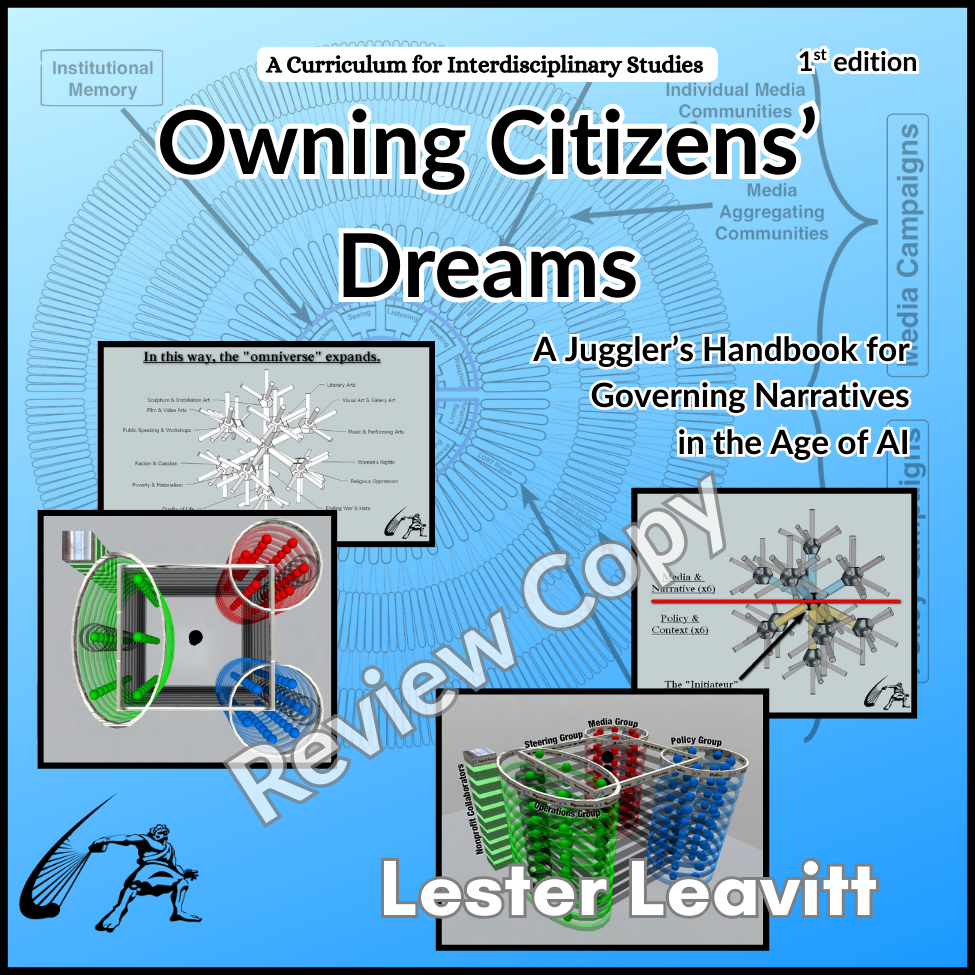
Twelve units. Twenty-two derived requirements. The full theoretical derivation, designed for upper-level undergraduate and graduate seminars in public administration, political science, and communication.
Five texts. Three registers. One architecture.
Available in ebook and paperback. Each text is a different entry point into the same governance specification.
The complete
argument.
Twenty-two requirements. Six layers. One integrated architecture — derived from first principles and designed for audience-adaptive delivery across public administration, political science, communication, and interdisciplinary studies.
This is the full conference presentation, unabridged.
- Layer 1 — The Diagnostic Engine Req. 1–5
- Layer 2 — The Displacement Engine Req. 6–8
- Layer 3 — The Contact Engine Req. 9–10
- Layer 4 — Institutional Memory Req. 11–14
- Layer 5 — The Juggler Req. 15–18
- Layer 6 — The Organizational Model Req. 19–22
The specification is ready.
Are you?
For course adoptions, visiting scholar inquiries, conference invitations, and curriculum consultations — this is where it starts.
Contact Professor LeavittDeep Roots — Rising Tide